 +507 6864-2912
Regulation of Social Media and Minors in Latin America

Analysis of the regulatory debate, mental health, and legislative bills in Panama, Costa Rica, Ecuador, and the Dominican Republic.
At the offices of the Delegation of the European Union in San José, Costa Rica, on September 2 and 3, 2026, the “Gathering on the Regulation of Social Networks and the Fight against Disinformation for Youth” was held, organized by the Project to Support Independent Journalism and the Fight against Disinformation, funded by the European Union, in partnership with the United Nations Development Programme (UNDP).
About the Gathering on the Regulation of Social Networks
The gathering was attended by lawyers, legislators, representatives of state institutions such as Ombudsperson Offices and the Judiciary, as well as members of civil society and leaders of youth associations from the project's participating countries, including Panama, Costa Rica, the Dominican Republic, and Ecuador.
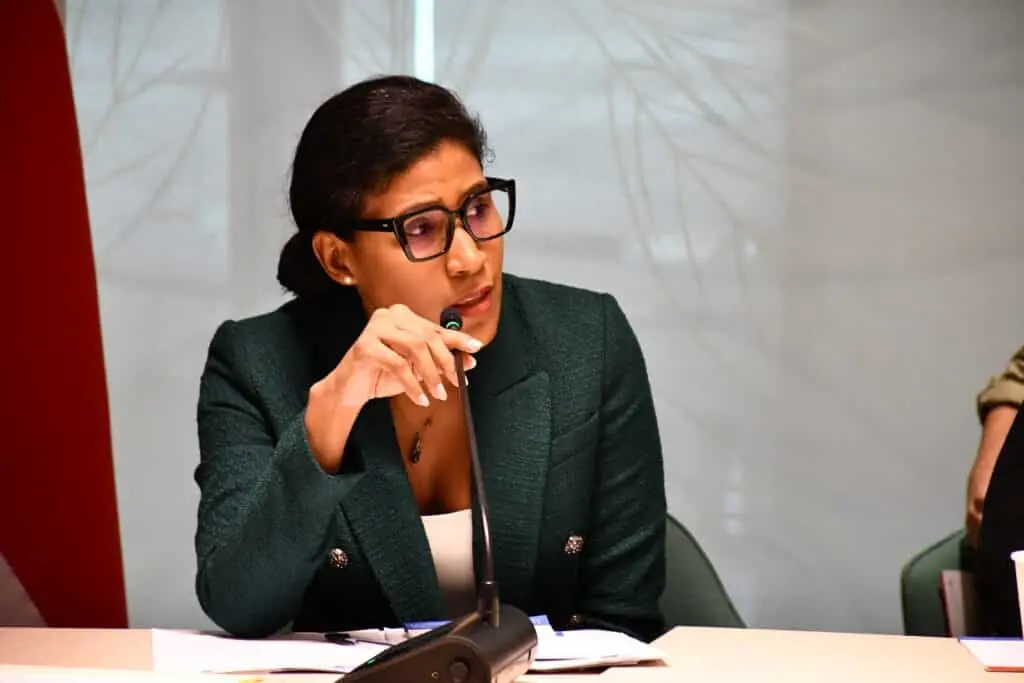
Our director Lia P. Hernández Pérez participated as an expert facilitator on regulatory and public policy matters, delivering a presentation based on the current landscape of social media regulation in Latin America and the Caribbean, the European Union, and Australia.
The participants of the gathering noted that, despite scientific evidence regarding the harmful effects of excessive mobile phone and social media use on young people's mental health, behavior, addiction, self-esteem, or academic performance, none of the four countries represented at the event yet possess specific social media regulations to mitigate these effects, relying instead on other legal instruments—such as penal codes, family codes, and child and adolescent legislation—to penalize and remedy the harm caused by the lack of social media regulation.
Pending Bills in the Region
Currently, legislative initiatives are being discussed in three of the four countries analyzed:
- Ecuador and Panama: Bills focused on the use of mobile phones and social networks for youth.
- Costa Rica: Projects aimed at the regulation of new technologies for the general population.
- Dominican Republic: Evaluation of regulatory mechanisms for the protection of children in digital environments.
Faced with this legislative scenario, the participants in the gathering highlighted the need to promote a broad debate on the potential regulation of mobile phone and social media use among children and adolescents. Such a debate would comply with Human Rights standards, the Convention on the Rights of the Child, and General Comment No. 25 (2021) of the Committee on the Rights of the Child regarding the digital environment, which explicitly recommends consulting children and adolescents on regulatory matters that affect them.
This inclusive debate must be conducted through methods that account for the diverse realities, capacities, and skills unique to minors from different backgrounds and conditions. Likewise, parents, governments, and technology companies should participate in this conversation to address the all-encompassing challenges posed by potential regulation, as has been observed in other parts of the world where such regulatory frameworks are being promoted or implemented, as in the case of the European Union or Australia.
The gathering also highlighted the need to continue generating solid scientific evidence to inform legal deliberations, taking into account that, according to the PNUD, the region of Latin America and the Caribbean has the highest average daily social media usage in the world, with a consumption of 3 and a half hours per day, and that the 45% of the youth aged 18 to 24 globally report clinically relevant mental distress.